Colonial Exploitation
The Belgian Rule in the Congo: A Dark Chapter of Exploitation and Atrocities
Published May 20, 2026
Explore the brutal reality of the Belgian colonial rule in the Congo, uncovering the methods of exploitation, the estimated death toll, and the lasting impact on the region.
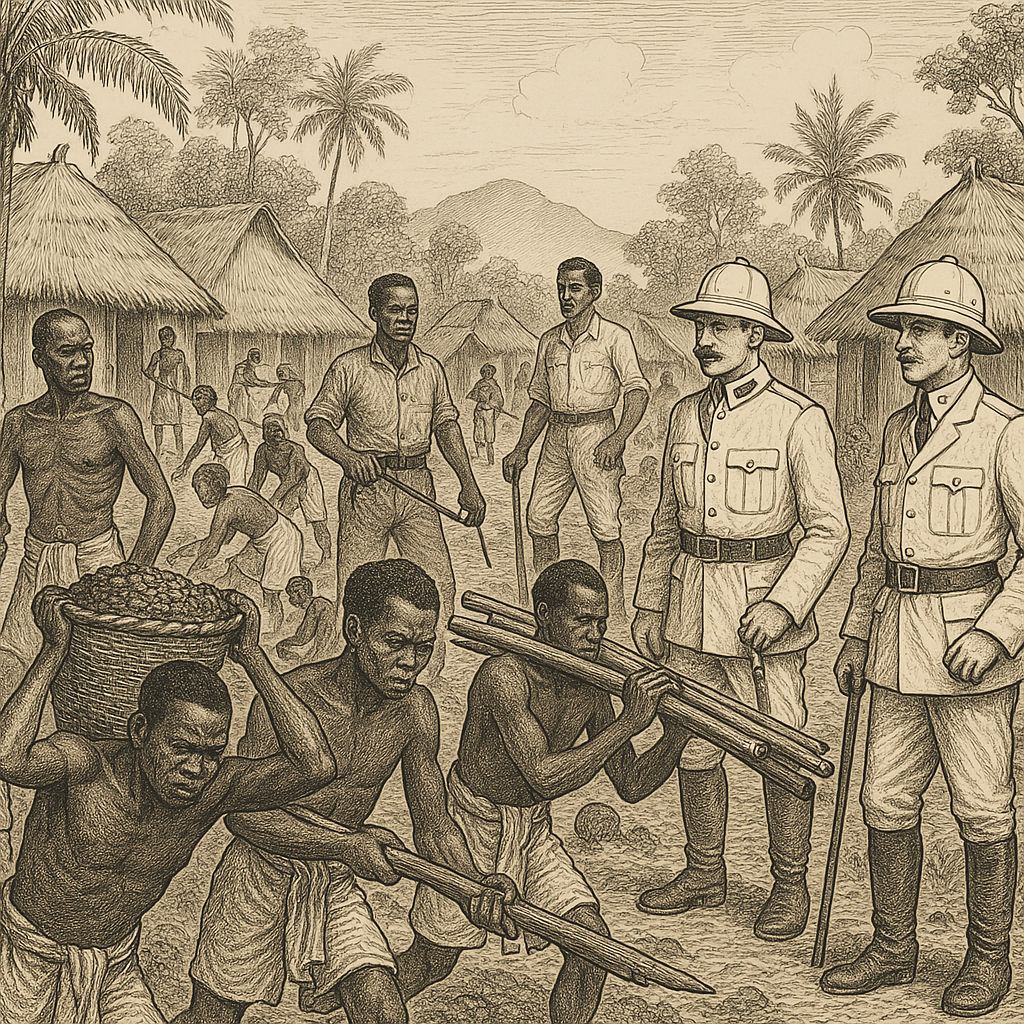
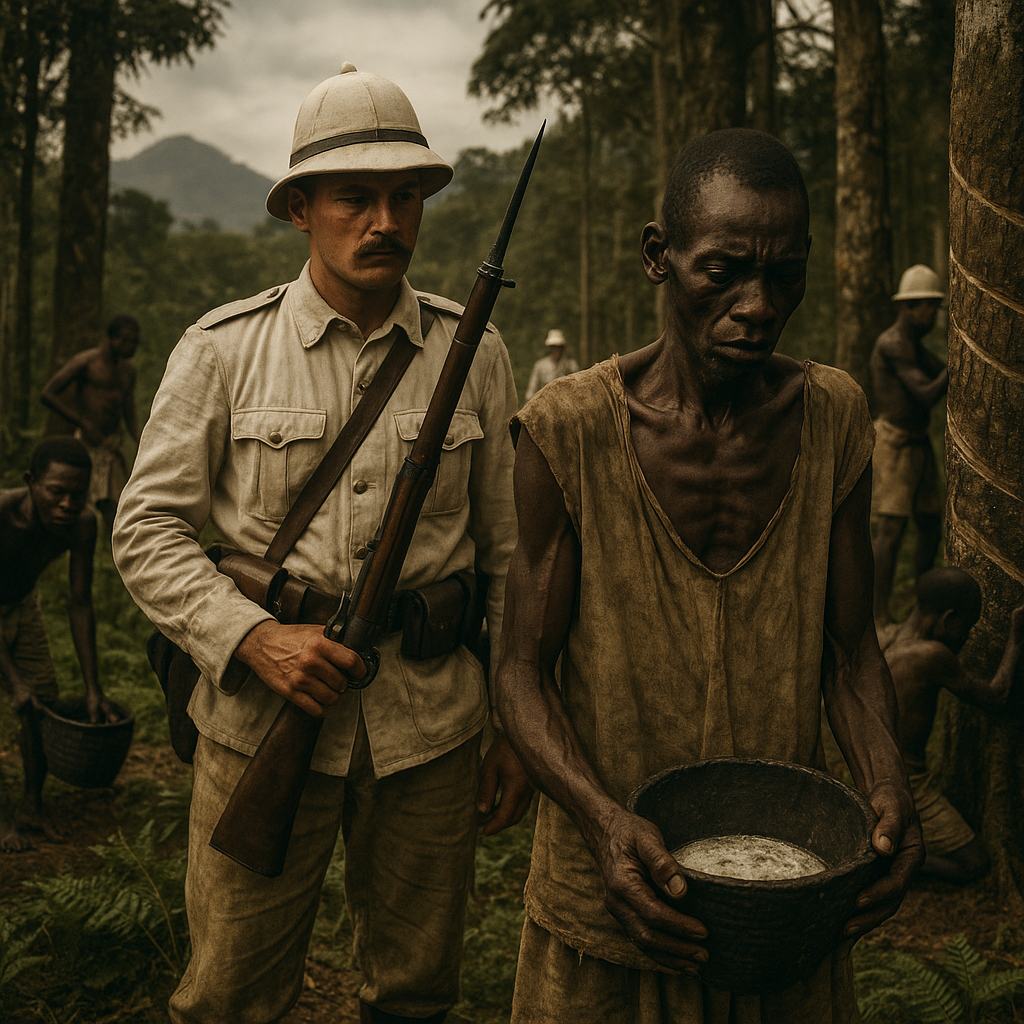
The Belgian rule in the Congo, spanning from the late 19th century to the early 20th century, is infamous for its extreme exploitation and human rights abuses. Under King Leopold II's personal control, the Congo Free State was subjected to brutal forced labor practices, primarily aimed at extracting rubber and ivory. The indigenous population faced severe punishments, including mutilation and death, as methods to enforce quotas. It is estimated that millions of Congolese people died during this period, with some estimates ranging from 5 to 10 million due to exploitation, disease, and starvation.
The colonial regime's methods included hostage-taking, systematic violence, and the use of private militias like the Force Publique to intimidate and control the population. The global outrage eventually led to the Belgian government taking over administration from King Leopold II in 1908, marking the beginning of the Belgian Congo era, although many oppressive practices continued.
This dark chapter in history is significant not only for its human cost but also for its role in shaping global discourse on colonialism, human rights, and the responsibilities of imperial powers. The legacy of Belgian rule in the Congo continues to affect the region's political and social landscape today.