Wars of Aggression
The Nazi Invasion of Poland: Unveiling the Tragedy and Tactics
Published May 20, 2026
The Nazi invasion of Poland in 1939 marked the brutal beginning of World War II. This article explores the scale of the human toll, the methods employed by the Nazis, the motivations behind the invasion, and lesser-known aspects of this pivotal event.
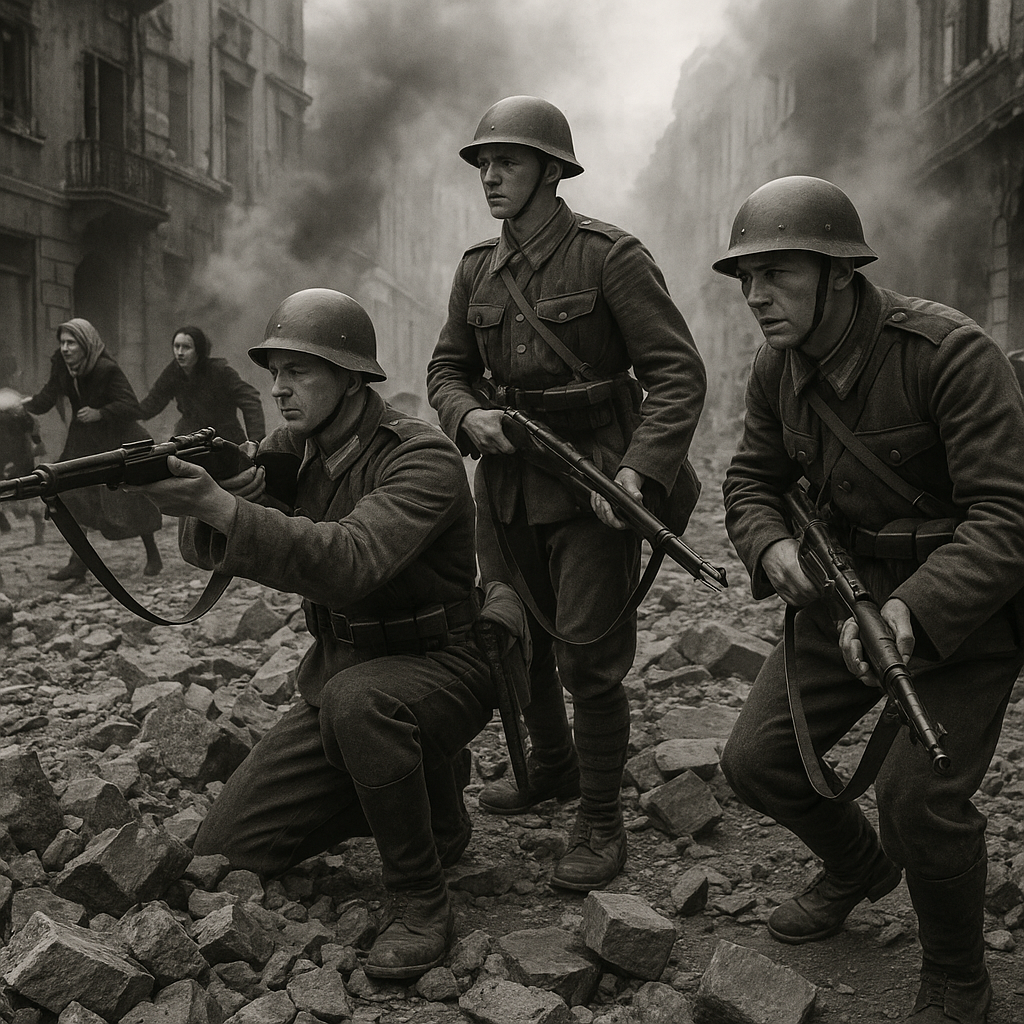
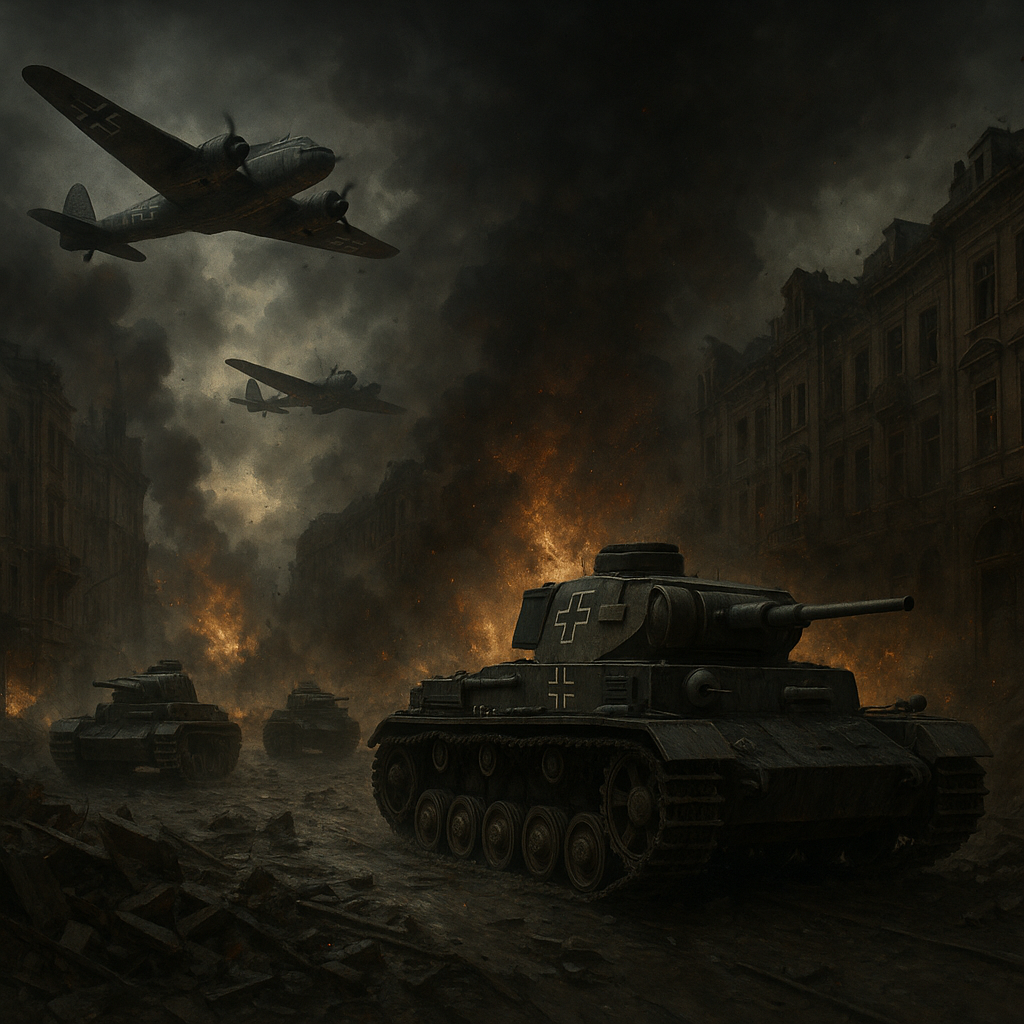
The Nazi invasion of Poland commenced on September 1, 1939, marking the start of World War II. Over a swift period, the German Wehrmacht unleashed Blitzkrieg tactics — a combination of rapid mechanized infantry, air strikes, and artillery — to overwhelm Polish defenses. The invasion lasted approximately five weeks, concluding with the division of Polish territories between Nazi Germany and the Soviet Union under the Molotov-Ribbentrop Pact.
Human Cost: The human toll was catastrophic. Approximately 70,000 to 100,000 Polish military personnel were killed during the campaign. Civilian casualties were even more severe, with estimates of around 150,000 to 200,000 civilians killed during the invasion and subsequent occupation. The Nazi regime systematically targeted Polish intelligentsia, political leaders, and Jewish populations, initiating mass executions and deportations to concentration camps.
Methods: The invasion’s success owed much to the Blitzkrieg strategy, characterized by speed and coordination among tanks, infantry, and air support. The Luftwaffe conducted widespread bombings on cities such as Warsaw, causing extensive destruction and civilian deaths. The Einsatzgruppen, mobile SS death squads, followed the advancing troops to conduct mass shootings, particularly targeting Polish Jews and intellectuals.
Motivations: Hitler’s rationale for invading Poland was multifaceted. The primary reason was territorial expansion to reclaim areas lost after World War I through the Treaty of Versailles. Additionally, Nazi ideology classified Poles, especially Jews and Slavs, as inferior, justifying brutal occupation policies. Control over Poland was also strategic for Germany’s military positioning against Western powers.
Known and Unknown Aspects: While the broad strokes of the invasion are well-documented, some lesser-known facets include the resilience and bravery of Polish forces and civilians despite overwhelming odds. The Polish government and military’s rapid mobilization, although ultimately unsuccessful in stopping the advance, delayed German plans and contributed to the larger Allied war effort. Moreover, the invasion set precedents for total war tactics, including targeting civilians and infrastructure, which would be seen throughout the conflict.
The invasion of Poland remains a stark reminder of the devastating consequences of aggressive militarism and racial hatred. It not only reshaped the map of Europe but also heralded one of the darkest chapters in human history.