Totalitarian Regimes
Joseph Stalin: The Ruthless Tyrant Behind Soviet Atrocities
Published May 17, 2026
Explore the brutal methods, political purges, and chilling legacy of Joseph Stalin, the Soviet leader responsible for the deaths of millions through state-sponsored terror.
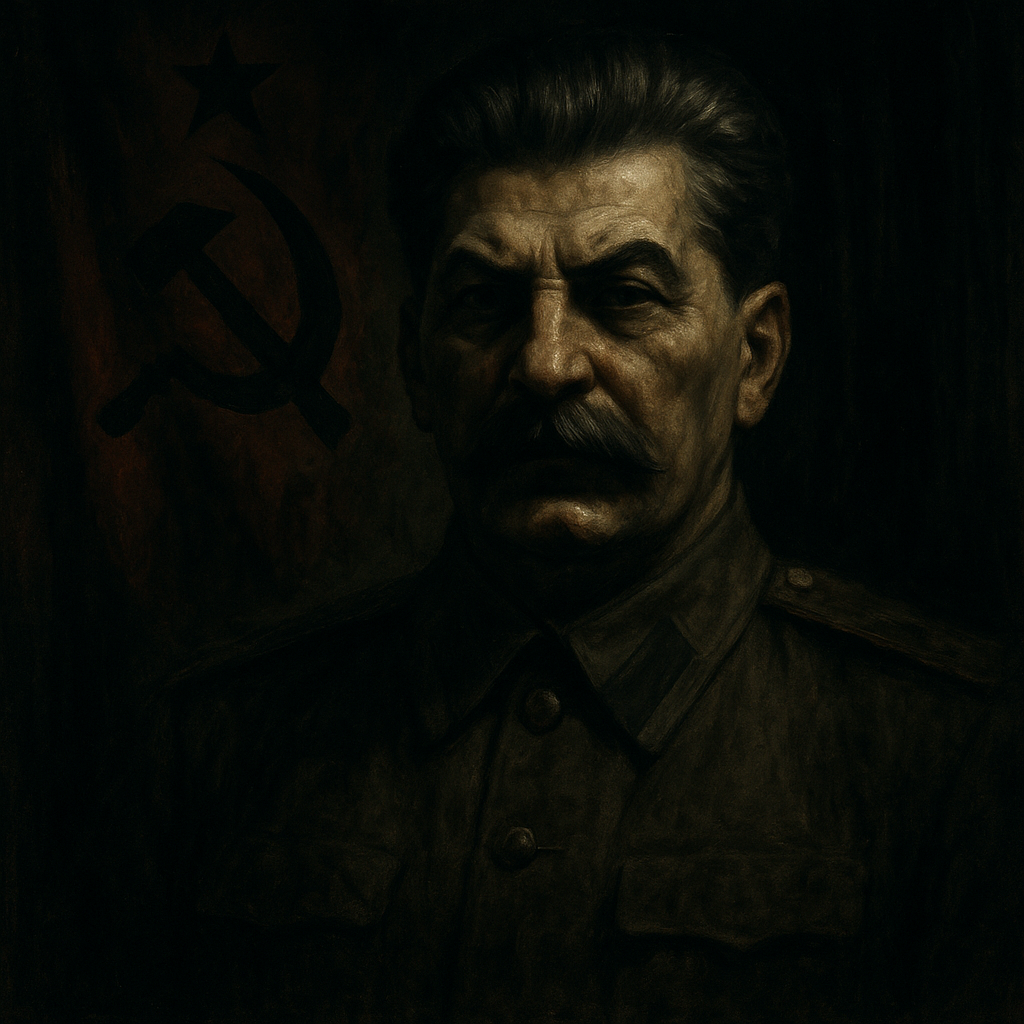
Joseph Stalin, the General Secretary of the Communist Party of the Soviet Union from the mid-1920s until his death in 1953, is recognized as one of history's most ruthless dictators. While not a serial killer in the traditional sense, Stalin orchestrated mass killings, purges, and forced famines that led to the deaths of millions.
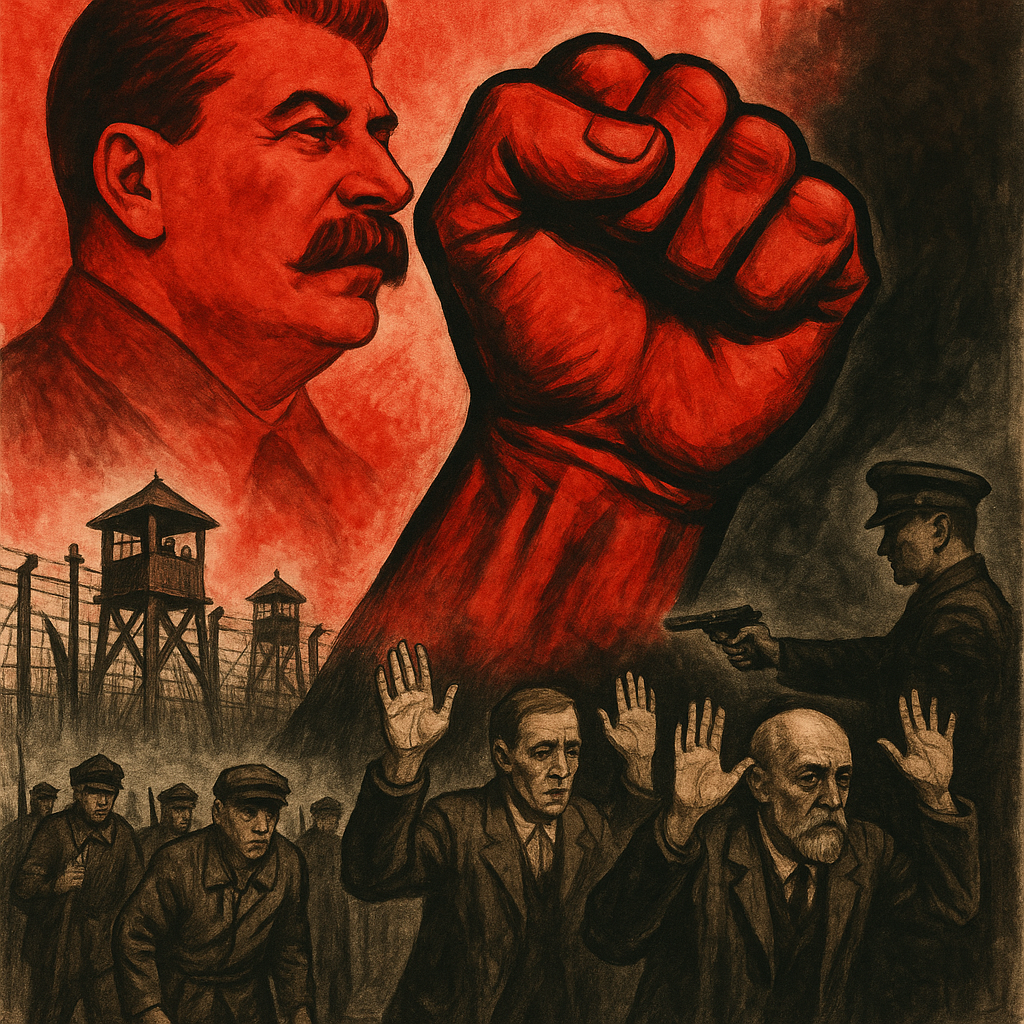
His methods included widespread political repression, show trials, forced labor camps (Gulags), and engineered famines such as the Holodomor in Ukraine. Stalin eliminated perceived enemies both within his party and the broader population through arbitrary arrests, torture, executions, and exile. The Great Purge of the late 1930s exemplifies his brutal consolidation of power, where hundreds of thousands were executed or imprisoned.
The context of Stalin's reign involved post-revolutionary turbulence, World War II, and a Cold War struggle for global influence. While credited with industrializing the Soviet Union and leading the Red Army to victory over Nazi Germany, his legacy is marred by widespread terror and human suffering.
Interesting facts include that Stalin often used paranoia to justify purges, promoted a cult of personality surrounding himself, and kept tight control over media and culture to suppress dissent. Unlike serial killers who kill individuals for personal gratification, Stalin's mass murders were politically motivated and systemic, demonstrating the terrifying potential of authoritarian regimes.
Understanding Stalin's reign offers crucial insights into the dangers of unchecked power and state terror.