Totalitarian Regimes
Kim Il-Sung: Separating Fact from Fiction About North Korea's Leader
Published May 17, 2026
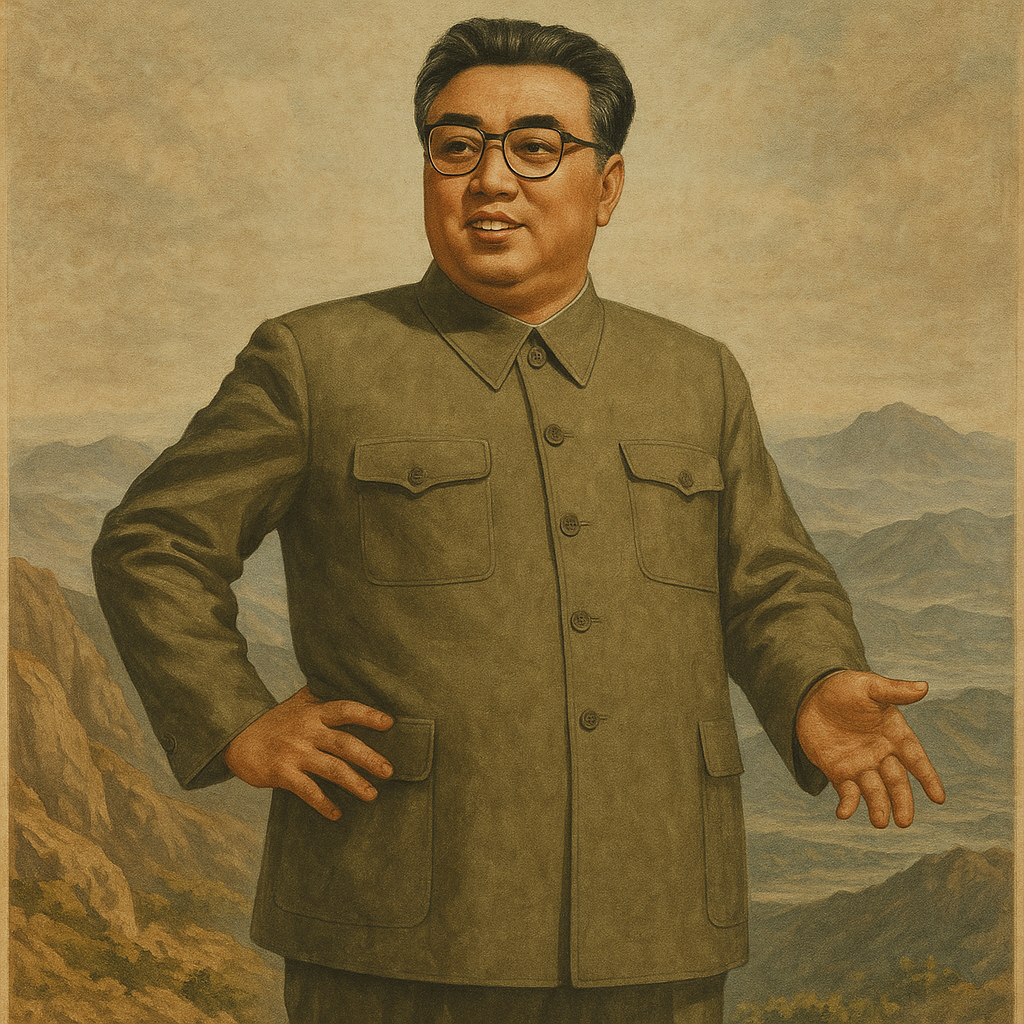
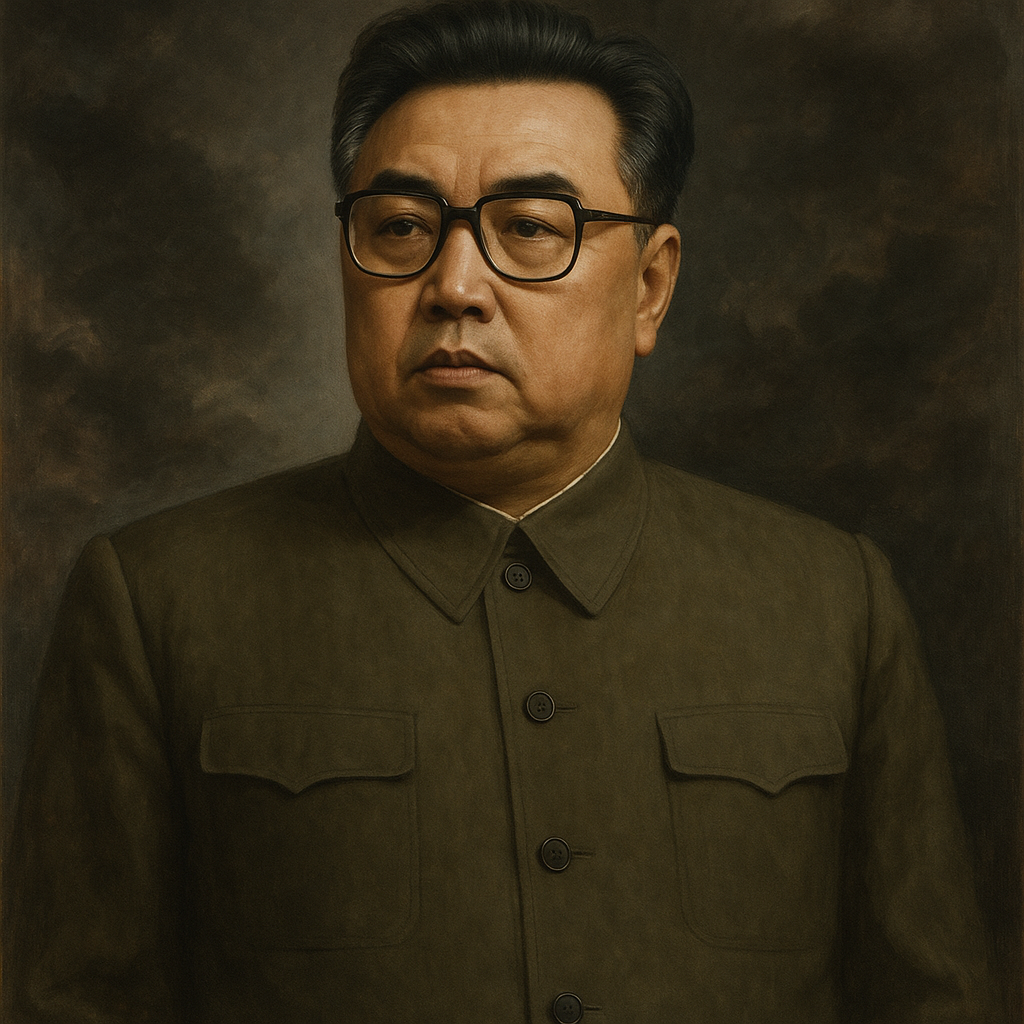
Kim Il-Sung, the founding leader of North Korea, has been subject to many myths, including unfounded claims about being a serial killer. This article explores the true historical context, his methods of governance, and interesting facts about his leadership.
Kim Il-Sung was the first Supreme Leader of North Korea, ruling from its establishment in 1948 until his death in 1994. He is often a polarizing figure in history, admired by some for establishing a strong centralized state, and criticized by others for his authoritarian regime and human rights abuses.
Contrary to some rumors and misinformation, Kim Il-Sung was not a serial killer in the conventional sense of a person who commits multiple murders due to psychological motivations. Instead, his leadership was marked by political purges and executions aimed at consolidating power and eliminating perceived threats within the party and military. These acts were typical of many authoritarian regimes during the Cold War era.
Methods used by Kim Il-Sung to maintain control included strict surveillance, propaganda, and brutal repression of dissent. The purges often involved show trials or sudden disappearances of officials considered disloyal. The context of these actions was shaped by Cold War tensions, internal factionalism, and the political necessity to establish his legitimacy as the leader of a new socialist state.
Interesting facts about Kim Il-Sung include the development of the Juche ideology—a blend of self-reliance and nationalism—which remains central to North Korean ideology. He is also credited with leading North Korea during the Korean War (1950-1953), which devastated the peninsula but entrenched the division between North and South Korea.
Understanding Kim Il-Sung requires a nuanced approach that differentiates historical facts from exaggerated or false claims. While his regime was undoubtedly oppressive and responsible for many human rights violations, labeling him a serial killer conflates political repression with criminal serial killings and does not accurately reflect his role in history.