Epidemics
The Black Death (1346-1353): The Bubonic Plague Pandemic
Published May 28, 2026
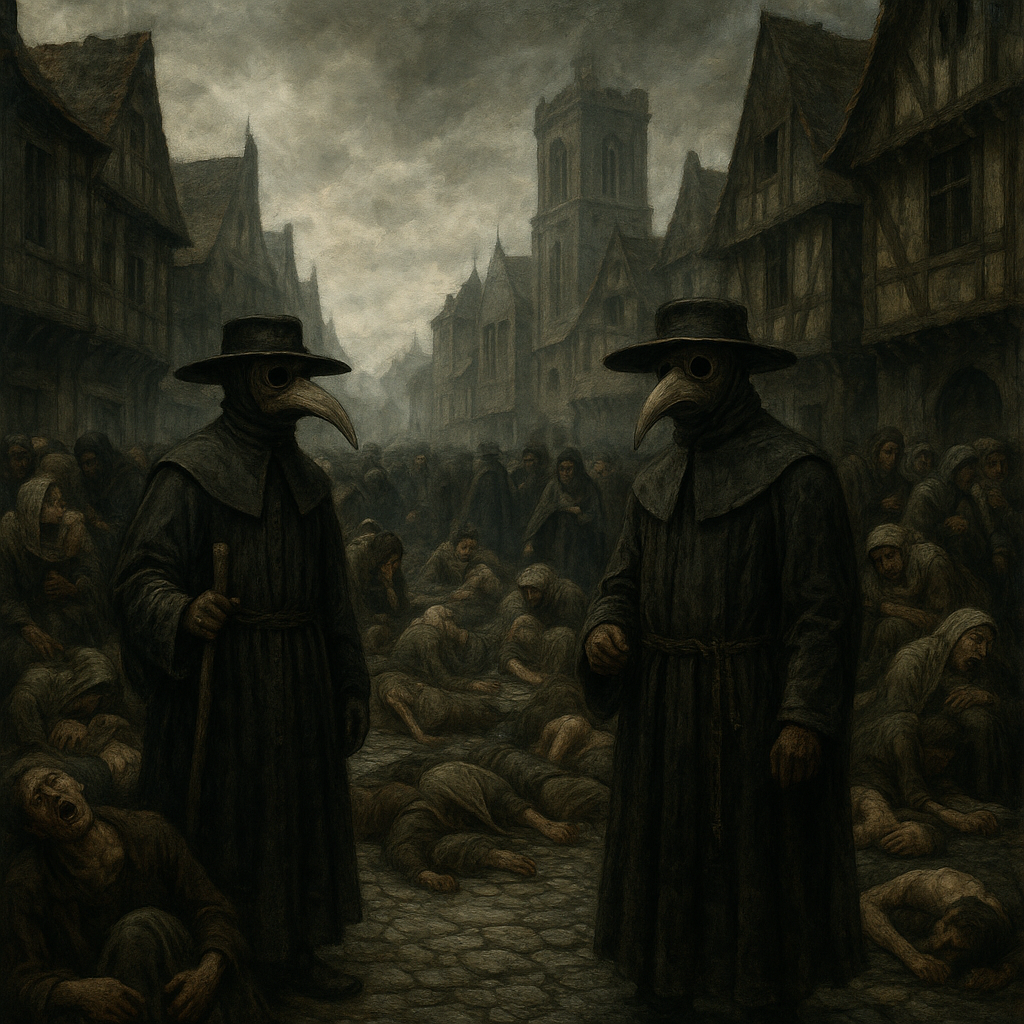
The Black Death was a devastating bubonic plague pandemic that struck Europe and Asia between 1346 and 1353, resulting in massive mortality and profound societal changes.
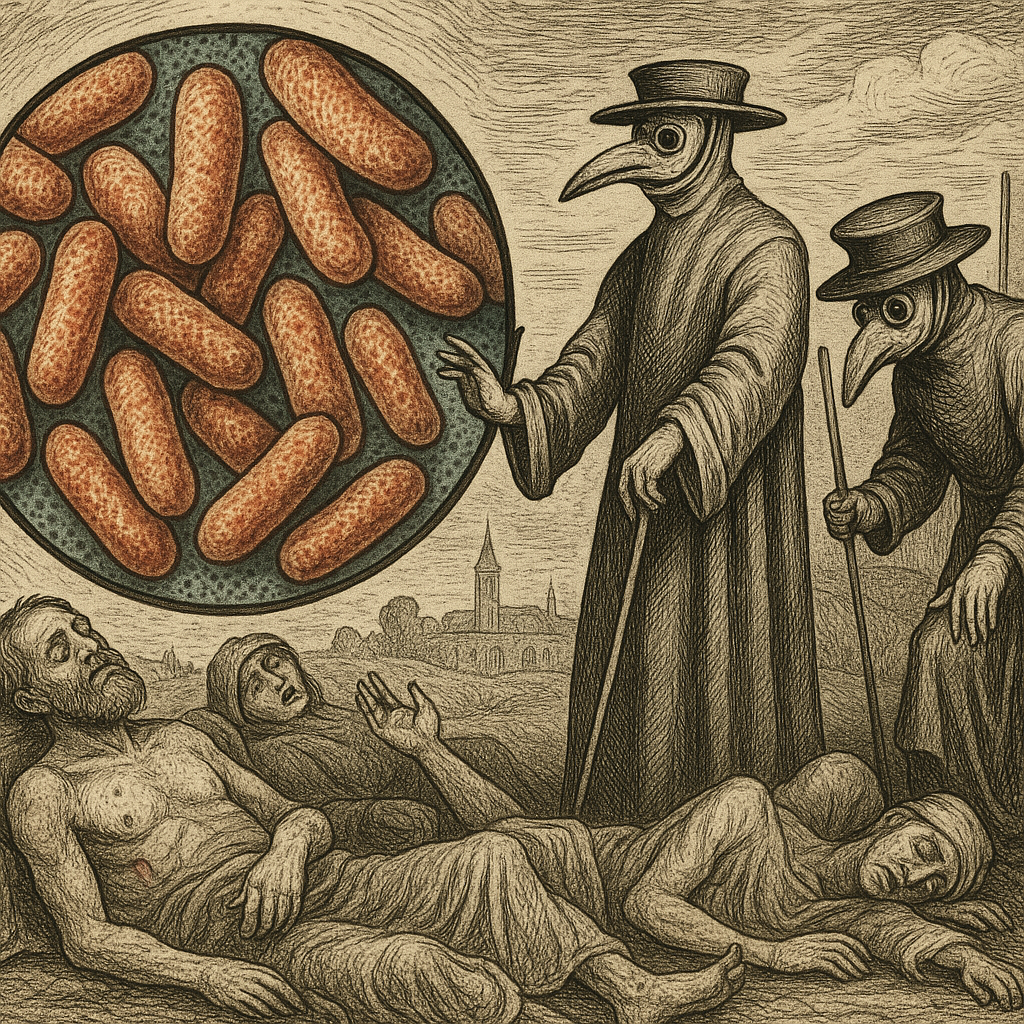
The Black Death, which occurred from 1346 to 1353, was one of the most catastrophic pandemics in human history. Caused by the bacterium Yersinia pestis, it spread rapidly through Europe and Asia via fleas on rats and human contact. The plague led to the deaths of an estimated 25 to 50 million people, approximately one-third of Europe's population at the time. The immense mortality caused widespread social, economic, and cultural upheaval. Entire villages were wiped out, labor shortages altered economic practices, and the plague influenced art, religion, and literature. The pandemic highlighted the vulnerabilities of medieval society and shaped the course of European history.