Civil Wars
The English Civil War: Context, Causes, and Consequences
Published May 17, 2026
Explore the complex causes, key events, and lasting impact of the English Civil War, a pivotal conflict in British history.
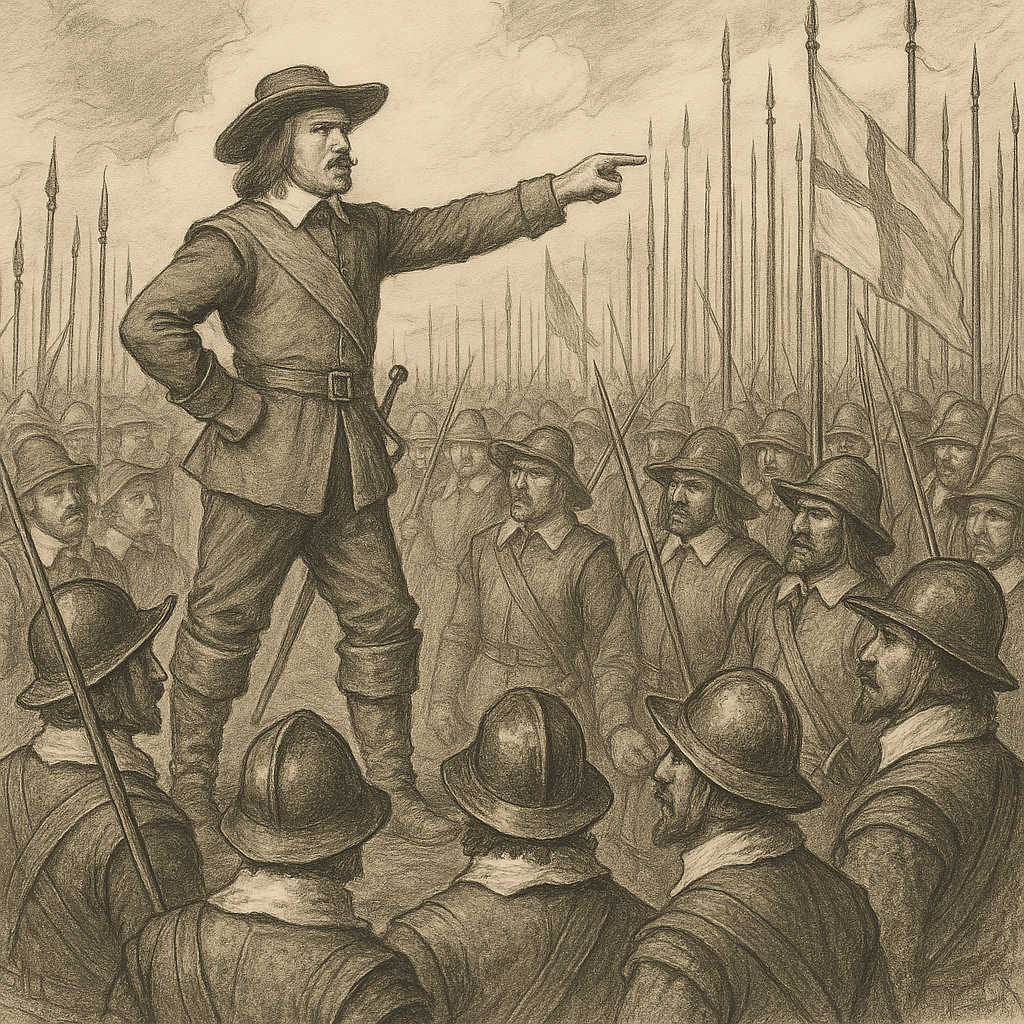
The English Civil War (1642–1651) was a series of armed conflicts and political machinations between Parliamentarians ('Roundheads') and Royalists ('Cavaliers'). The war stemmed largely from tensions over governance, religious freedoms, and the extent of royal authority. King Charles I’s belief in the divine right of kings and his attempts to govern without Parliament alarmed many, leading to a breakdown in relations.
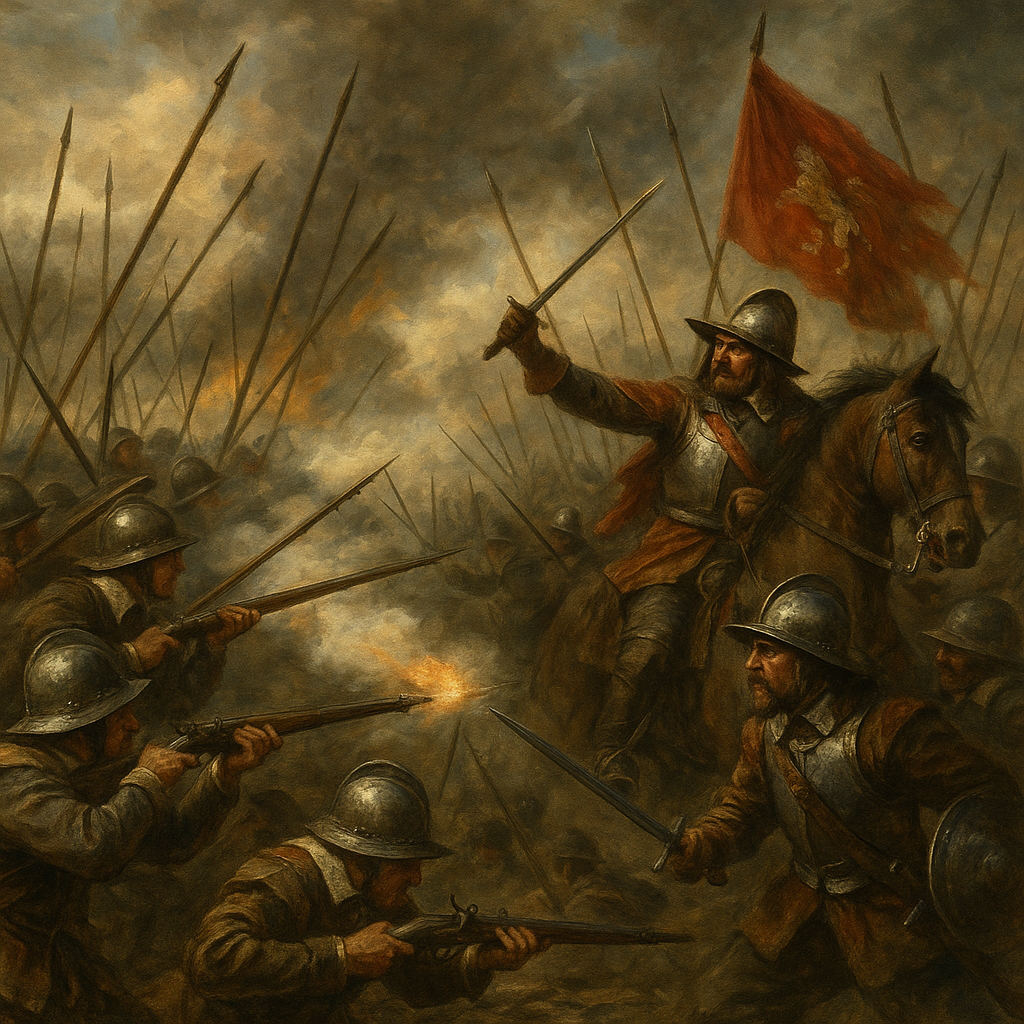
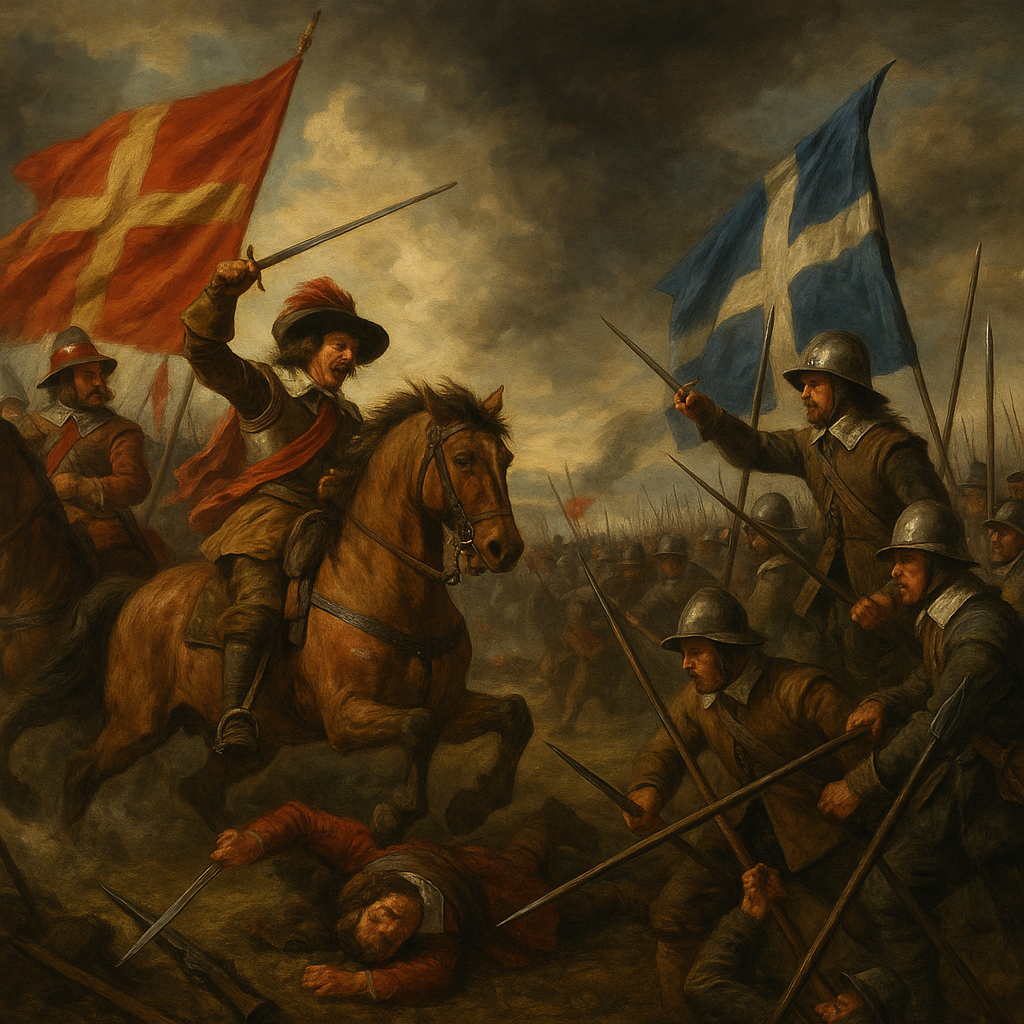
The conflict unfolded in three main phases. The First English Civil War (1642–1646) saw major battles like Edgehill and Marston Moor, with Parliamentarians gaining upper hand. The Second Civil War (1648) was marked by Royalist uprisings that were ultimately suppressed. The Third Civil War (1649–1651) followed the execution of Charles I in 1649, culminating in the defeat of Charles II at the Battle of Worcester.
The methods of warfare included large-scale battles, sieges, and guerrilla tactics. Both sides recruited from across the social spectrum, with Parliamentarians drawing support from merchants, Puritans, and the urban middle class, while Royalists were backed by the aristocracy and rural gentry.
The English Civil War dramatically altered the political landscape. It led to the temporary abolition of the monarchy and the establishment of the Commonwealth under Oliver Cromwell. The war also set precedents for constitutional monarchy and parliamentary democracy.
Interesting facts: The war witnessed the emergence of the New Model Army, which emphasized meritocracy and discipline. The Putney Debates (1647) showcased early discussions on democracy and suffrage. Additionally, the period saw increased political pamphleteering, influencing public opinion and political thought.
The English Civil War remains a critical study for understanding the evolution of modern democracy and the balance of power between rulers and the governed.