Civil Wars
Vietnamese Civil War: A Historical Overview
Published May 17, 2026
An in-depth exploration of the Vietnamese Civil War, examining the context, key events, casualties, strategies, and significant historical impacts.
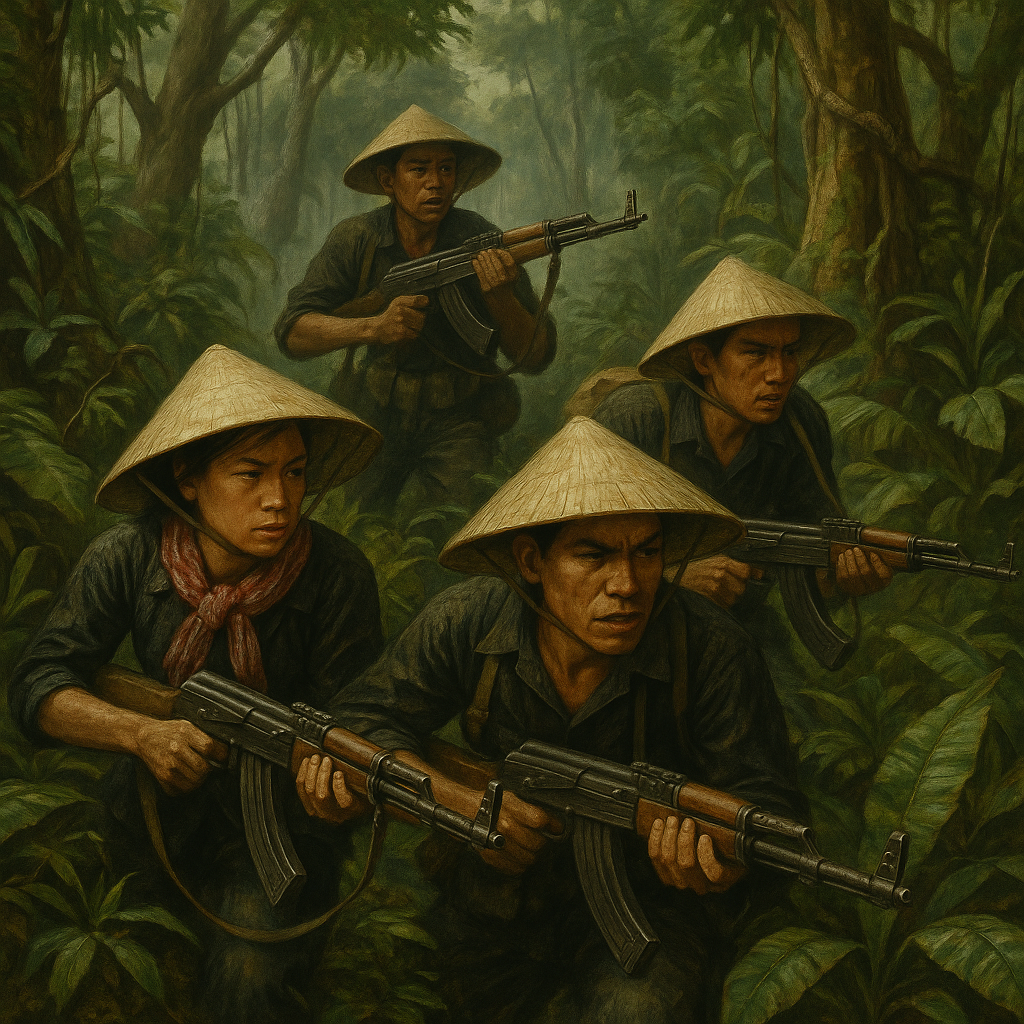
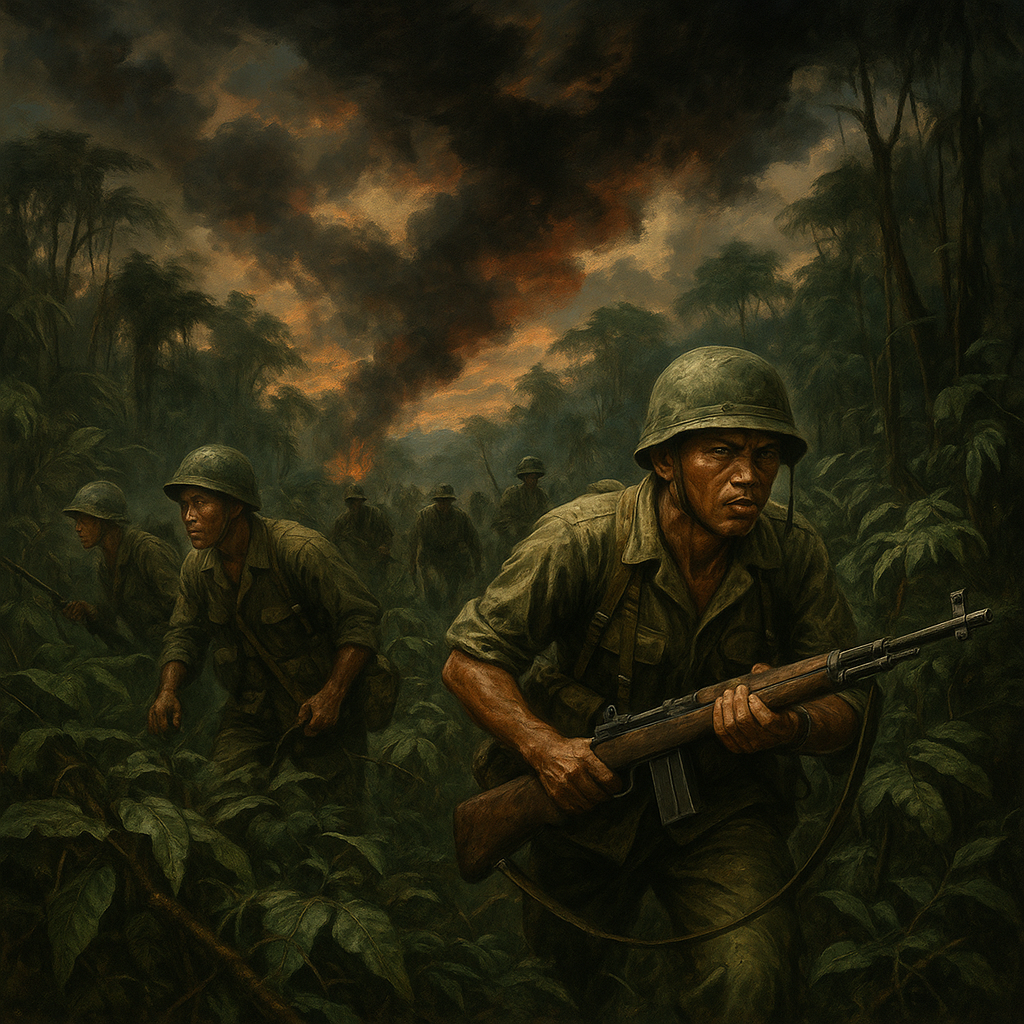
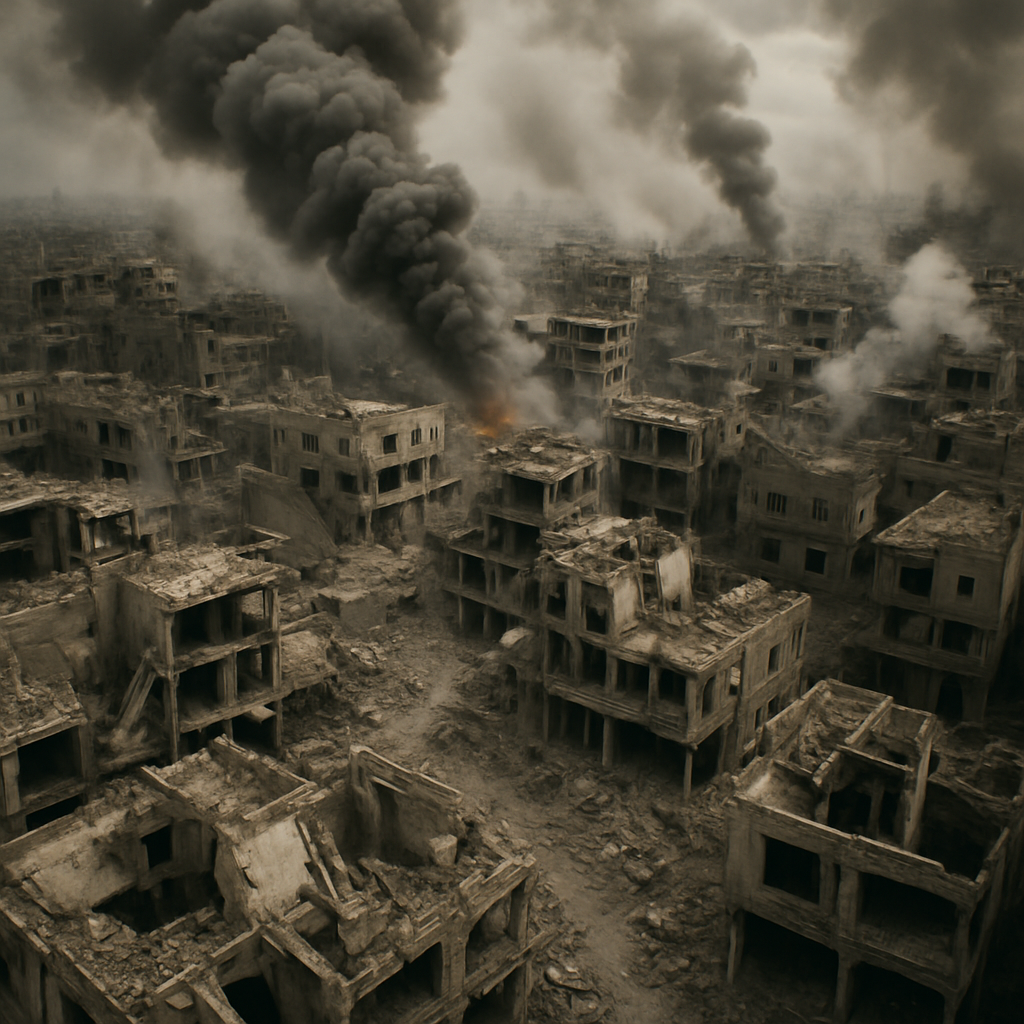
The Vietnamese Civil War, commonly referred to as the conflict between North Vietnam and South Vietnam, lasted from 1955 to 1975. It was a significant part of the broader Cold War context, with the communist North backed by the Soviet Union and China, and the South supported primarily by the United States and other anti-communist allies. The war was marked by intense guerrilla warfare, large-scale military engagements, and significant involvement of foreign powers. It resulted in an estimated 2 to 3 million Vietnamese deaths, including civilians, soldiers, and those affected indirectly by the conflict. Methods of warfare included conventional battles, guerrilla tactics employed by the Viet Cong, and heavy aerial bombing campaigns by the U.S., such as Operation Rolling Thunder. The war’s context was deeply rooted in Vietnamese nationalism and the struggle for reunification following the French colonial period. Key interesting facts include the massive use of tunnel systems by the Viet Cong, the controversial nature of chemical agents like Agent Orange, and the profound social and political changes post-war that shaped modern Vietnam. This conflict remains one of the most studied and debated wars, illustrating the complexities of ideological confrontation and the human cost of conflict.