Genocides
The Rwandan Genocide (1994): A Tragic Chapter of Mass Slaughter
Published May 28, 2026
The 1994 Rwandan Genocide marked one of the most harrowing episodes in modern history, where approximately 800,000 Tutsi and moderate Hutu were systematically murdered within a span of 100 days. This article explores the causes, events, and lasting impact of this devastating tragedy.
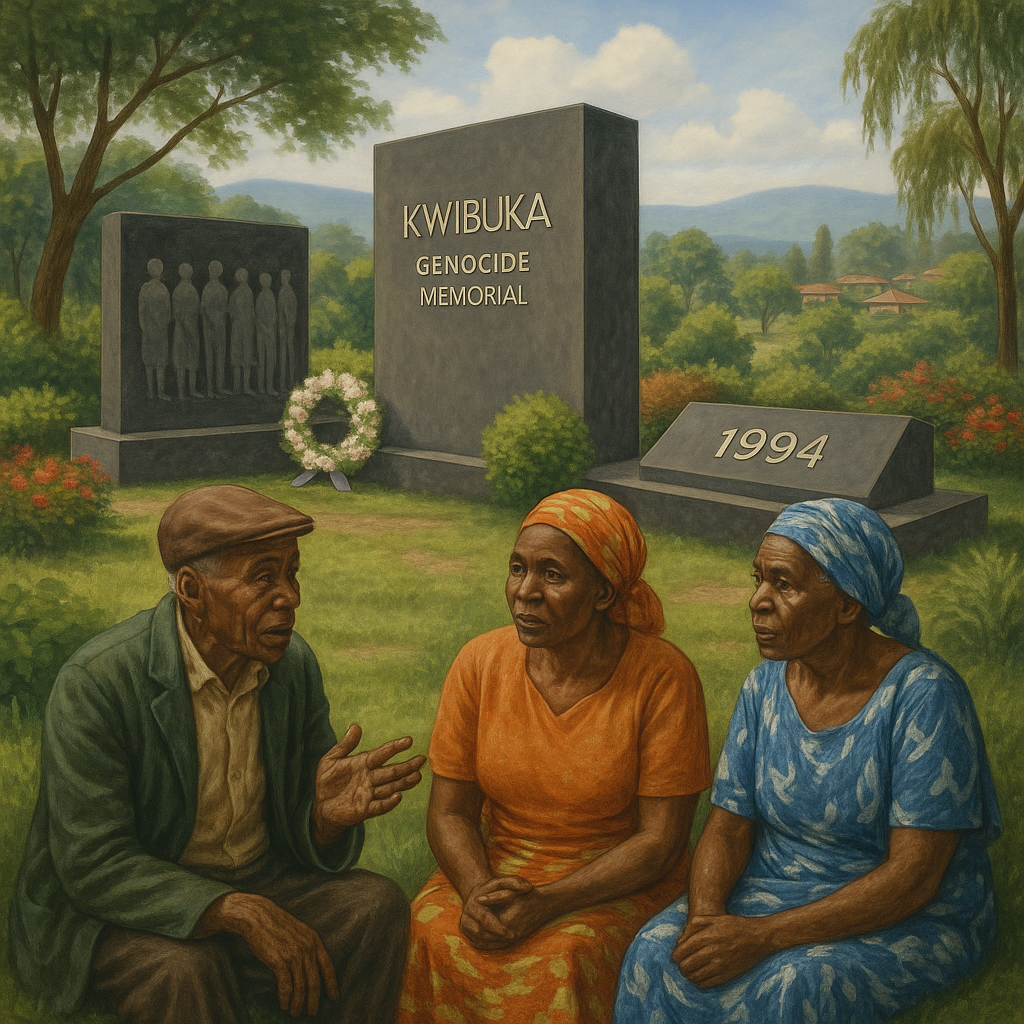
The Rwandan Genocide, which unfolded over roughly 100 days between April and July 1994, stands as one of the most brutal and tragic genocides of the 20th century. Approximately 800,000 people, predominantly ethnic Tutsi alongside moderate Hutu who opposed the extremist regime, were slaughtered in a campaign orchestrated by extremist Hutu factions. The roots of the genocide lie deep in Rwanda's colonial history and ethnic tensions exacerbated after independence. Propaganda, political instability, and long-standing grievances culminated in a swift and systematic mass killing initiated by the assassination of President Juvénal Habyarimana. International response was widely criticized for its delay and ineffectiveness, resulting in immense loss of life and long-term trauma for Rwanda and the global community. In the aftermath, Rwanda has embarked on a path of reconciliation and justice, highlighting the need for vigilance and intervention in preventing genocides worldwide.